
- Home
- Dubai Travel Guide
- Dubai Souks Guide: Gold, Spices, Textiles and Traditional Markets Explained
- Dubai Travel Guide
- On 31.08.2026
- Lovanshu Tiwari
Dubai Souks Guide: Gold, Spices, Textiles and Traditional Markets Explained
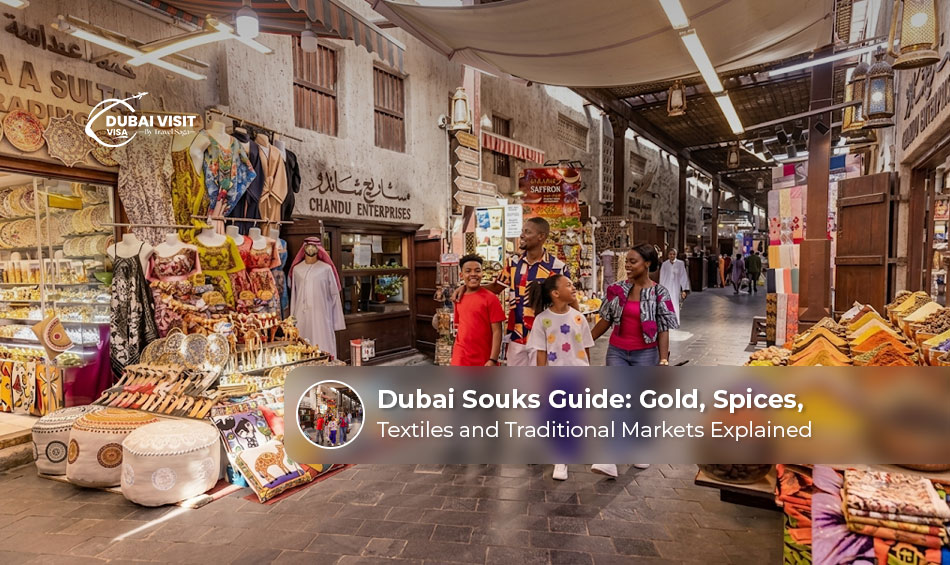
Dubai’s modern skyline often gets most of the attention, but some of the city’s most interesting experiences are found in its traditional markets. Dubai’s souks offer a slower, more atmospheric side of the city, where narrow lanes, colourful displays and the scent of spices create a very different experience from the large shopping malls. The Dubai Gold Souk, Spice Souk and Textile Souk are among the best-known markets, but each has its own character. You can browse jewellery, fabrics, perfumes, spices, souvenirs and traditional products while exploring areas connected to the city’s trading heritage. For first-time visitors, knowing how the souks work can make the experience much more enjoyable. From deciding what to buy to understanding bargaining etiquette and choosing the right time to visit, a little preparation goes a long way.
Understanding Dubai’s Traditional Souks
Dubai’s souks are more than shopping destinations. They offer an opportunity to see a side of the city that feels very different from its modern malls and skyscrapers. Many of the traditional markets are concentrated around areas such as Deira, Bur Dubai and the historic Creek district, making it possible to combine several experiences in one day.
Why Visit the Souks?
The souks are particularly appealing if you enjoy local culture, photography, traditional products and browsing at your own pace. You do not have to buy anything to enjoy them. Walking through the markets, observing the shop displays and taking in the atmosphere can be an experience in itself.
How the Souks Differ
Each market has its own speciality. The Gold Souk focuses heavily on jewellery, the Spice Souk is associated with herbs and spices, while the Textile Souk is known for fabrics and traditional clothing materials. Understanding these differences can help you decide where to spend your time.
Dubai Gold Souk Explained
The Gold Souk is one of Dubai’s most recognisable traditional markets and is a popular stop for visitors interested in jewellery. The area features numerous shops selling gold jewellery in different designs and styles. The experience is quite different from browsing jewellery inside a modern shopping centre.
What Can You Find?
Visitors can find necklaces, bracelets, rings, earrings and other jewellery designs. The selection can range from traditional pieces to more contemporary styles, depending on the shop.
Compare Before Buying
If you are seriously considering a purchase, do not feel pressured to buy from the first shop you enter. Walk around, compare designs and understand the terms of the purchase before making a decision.
Enquire NowUnderstanding Gold Prices
Gold prices change according to market conditions, so the price you see on one day may not be the same later. The final cost of jewellery can also involve factors beyond the underlying gold value.
Gold Rate
Ask about the current gold rate being used by the seller.
Making Charges
Jewellery can include making or craftsmanship charges in addition to the gold value.
Total Cost
Before agreeing to a purchase, ask for the complete price and understand what it includes. Avoid judging a piece only by its advertised gold rate.
Bargaining at the Gold Souk
Bargaining may be possible on certain aspects of a jewellery purchase, particularly craftsmanship charges, but the extent depends on the item and seller.
Be Polite
A friendly conversation is more useful than an aggressive approach.
Compare Shops
Knowing what similar pieces cost elsewhere gives you a better basis for discussion.
Ask for the Final Amount
Make sure you understand the total amount you are expected to pay before completing the transaction.
Dubai Spice Souk
The Spice Souk offers a completely different experience from the Gold Souk. The smell of cardamom, saffron, dried herbs and other spices can be noticeable as soon as you enter the market area.
What to Look For
Depending on the current selection, visitors may find:
- Saffron
- Cardamom
- Dried herbs
- Dates
- Tea
- Dried fruits
- Traditional spice blends
The selection varies between shops.
Ask Before Buying
If you are unfamiliar with a particular spice, ask the seller what it is used for and how it is normally prepared. This can make the shopping experience more interesting rather than simply buying something because it looks attractive.
Buying Spices as Souvenirs
Spices can be practical souvenirs because they are lightweight and easy to pack compared with larger purchases. However, international travellers should check the customs and import rules of their destination country before bringing food products home.
Check Packaging
Ask whether the product can be packed securely for travel.
Check Restrictions
Different countries have different rules regarding food, herbs and agricultural products.
Buy What You Will Use
There is little value in buying large quantities simply because the product seems inexpensive.
Dubai Textile Souk
The Textile Souk in Bur Dubai is a good place to explore fabrics, traditional clothing materials and colourful textiles. The atmosphere is more intimate than the city’s enormous shopping malls.
What Can You Find?
Depending on the shops, you may find fabrics, scarves, shawls, garments and decorative textiles.
Compare Materials
If you are buying fabric, look at the material carefully rather than choosing purely based on colour or design. Ask about the fabric type, care requirements and intended use.
Shopping for Traditional Clothing
Visitors can find clothing and textiles influenced by regional styles. If you are purchasing something as a souvenir, ask the seller about the item’s material and how it should be cared for.
Choose Something Practical
A lightweight scarf or textile can be easier to pack than a bulky souvenir.
Ask About Sizes
If you are buying clothing, check sizing carefully because measurements can vary.
Explore Perfume and Fragrance Shops
Traditional markets around Dubai also have numerous fragrance shops. You may come across perfumes, oud, bakhoor and fragrance oils.
Try Before Buying
If sampling is offered, take your time before choosing. Fragrances can smell quite different on the skin compared with how they initially smell from the bottle.
Ask About Ingredients
If you have allergies or sensitivities, ask what the product contains before purchasing.
Visit Dubai Creek
The souks become even more interesting when combined with Dubai Creek. The Creek historically played an important role in Dubai’s trading activity and remains an important part of the city’s heritage.
Take an Abra
A traditional abra ride can be a simple way to experience the Creek. Check the current fares, operating arrangements and safety instructions before boarding.
Walk Around the Waterfront
Give yourself time to explore rather than treating the Creek as simply a route between two shopping areas.
Combine Several Souks in One Day
The traditional markets can be combined into a relaxed half-day or full-day itinerary. Start in Deira, explore the Gold Souk and Spice Souk, cross towards Bur Dubai and continue around the Textile Souk and historic areas.
Suggested Order
A simple route could be:
- Gold Souk
- Spice Souk
- Dubai Creek
- Abra ride
- Textile Souk
- Al Fahidi Historical Neighbourhood
The order can be changed depending on your starting point and the latest transport arrangements.
Choose the Right Time to Visit
The time of day can influence your experience. Markets can become busier during popular travel periods, and outdoor walking can be uncomfortable during Dubai’s hotter months.
Cooler Months
Outdoor exploration is generally more comfortable during Dubai’s cooler travel season.
Evening
An evening visit can offer a different atmosphere, particularly around the Creek and markets.
Avoid Rushing
Allow enough time to browse rather than trying to complete the souks in a few minutes.
Dress Comfortably and Respectfully
Dubai is an international destination, but visitors should still dress appropriately for local customs. Comfortable clothing is useful because exploring traditional markets involves walking.
Comfortable Shoes
Wear footwear suitable for uneven or busy walking areas.
Respectful Clothing
Choose clothing appropriate for the neighbourhood and any religious or cultural locations you visit.
Photography in the Souks
The traditional markets provide plenty of interesting photography opportunities. You can capture colourful spice displays, architecture, shopfronts and the atmosphere around the Creek.
Ask Before Photographing People
Avoid photographing individuals without appropriate permission.
Respect Shopkeepers
If you want to photograph a shop or a particular product display, ask first when appropriate.
How to Bargain Politely
Bargaining is part of the shopping experience in some traditional markets, but it is not appropriate to treat every transaction as a negotiation.
Know What You Want
Having a clear idea of the item you are looking for makes discussions easier.
Compare First
Visit a few shops before deciding.
Keep It Friendly
If the price does not suit you, politely decline and continue browsing.
Be Careful With High-Value Purchases
If you are buying jewellery or another expensive item, take extra care.
Ask for Documentation
Make sure you receive the appropriate invoice or purchase documentation.
Check the Item
Examine the jewellery or product before paying.
Use Secure Payment Methods
Choose a payment method you are comfortable using and keep your purchase documentation safely stored.
Don’t Feel Pressured to Buy
One of the biggest mistakes first-time visitors make is assuming they need to purchase something from every shop. You can browse without buying. If a salesperson approaches you, simply explain that you are looking around. If you are not interested, politely move on.
Souks vs Dubai Malls
Traditional markets and modern malls offer very different shopping experiences.
Souks
Souks are better for atmosphere, traditional products, bargaining and cultural exploration.
Malls
Malls are better for air-conditioned shopping, international brands, entertainment and a more predictable retail environment. You do not have to choose one over the other. Including both can make your Dubai shopping experience more varied.
Souks for Families
Families can visit the traditional markets, although parents should be prepared for busy lanes and crowds.
Keep Children Close
Some market areas can become crowded.
Take Breaks
Combine the visit with a café or meal break.
Keep Shopping Flexible
Children may not enjoy spending hours browsing shops, so keep the visit manageable.
Souks for Solo Travellers
Solo travellers can explore the markets at their own pace. The main advantage is flexibility. You can spend more time in a shop that interests you and leave whenever you are ready. Keep your belongings secure, particularly in crowded areas.
Souks for Couples
The combination of traditional markets, Creek views and Old Dubai can make an enjoyable evening. Couples can browse the souks, take an abra ride and finish with dinner in the area.
Plan Your Souk Visit Around Food
Old Dubai and the surrounding areas offer plenty of opportunities to try Middle Eastern and South Asian food.
Try Local Dishes
Look for traditional dishes and regional flavours.
Explore Casual Restaurants
You do not need a luxury restaurant for a memorable meal.
Take a Break
A meal or coffee break can make a long market visit more comfortable.
Getting Around Old Dubai
The best way to experience the traditional areas is often a combination of walking and short local transport journeys.
Metro
The Metro can be useful for reaching the general area.
Abra
An abra can provide a memorable way to cross Dubai Creek.
Taxi
Taxis are useful if you are travelling with shopping bags or prefer door-to-door transport. Check current routes and transport arrangements before travelling.
What Should You Buy?
There is no single best souvenir from Dubai. Choose something that reflects your interests.
Jewellery
A good option for travellers interested in gold or traditional designs.
Spices
Useful for travellers who enjoy cooking and can legally bring them home.
Textiles
Scarves, fabrics and traditional materials can make lightweight souvenirs.
Fragrances
Perfumes and fragrance products can provide another connection to regional culture.
Check Customs Rules Before Returning Home
Purchasing an item in Dubai does not automatically mean you can bring it into your home country without restrictions. This is particularly relevant for food, spices, plants, certain medicines and high-value goods.
Keep Receipts
Retain purchase documentation.
Check Your Country’s Rules
Review the latest customs requirements before packing your souvenirs.
Include the Souks in Your Dubai Itinerary
The traditional markets are best included as part of a wider Old Dubai day. A simple itinerary might involve the Gold Souk and Spice Souk in the morning, lunch around the Creek, an abra ride and then the Textile Souk and Al Fahidi area. This creates a more varied day than visiting one market and immediately leaving.
Plan Your Dubai Visa Before Travel
International travellers should check the UAE entry requirements that apply to their nationality before booking their holiday. Some travellers may need a pre-arranged visa, while others may qualify for a different entry arrangement.
Check Your Passport
Use your actual travel passport when checking eligibility.
Apply in Advance if Required
If your nationality requires a pre-arranged visa, give yourself sufficient time for the application process.
Get Visa Assistance From TheDubaiVisitVisa.com
If you need assistance with a Dubai tourist visa, TheDubaiVisitVisa.com can assist eligible travellers with the visa application process. The service can help applicants navigate the application process, while the final decision on visa issuance remains with the relevant UAE immigration authorities.
Check Your Details
Make sure the name and passport information submitted with your application are accurate.
Keep Your Documents
Save your visa and supporting travel documents securely.
Final Thoughts
Dubai’s souks provide an opportunity to experience a side of the city that cannot be replicated inside a modern shopping mall. The Gold Souk, Spice Souk and Textile Souk each offer a different experience, from jewellery and spices to fabrics and traditional products. Give yourself enough time to browse rather than treating the markets as a quick photo stop. Compare products before buying, ask questions, bargain politely where appropriate and keep receipts for valuable purchases. Combining the souks with Dubai Creek, an abra ride and the historic areas of Bur Dubai can turn a shopping trip into a wider cultural experience. Before travelling, check the UAE entry requirements that apply to your passport. If you require assistance with a pre-arranged Dubai tourist visa, Thedubaivisitvisa.com can assist with the application process. Whether you buy gold, spices, textiles, perfume or nothing at all, the souks are worth experiencing for their atmosphere and connection to Dubai’s trading heritage.
FAQs – Dubai Souks Guide
The Gold Souk, Spice Souk and Textile Souk are among the most popular traditional markets. Each specialises in different products and offers a distinct shopping atmosphere.
Bargaining can be possible in some souks and for certain products. Approach negotiations politely, compare shops and make sure you understand the final price before buying.
Yes. You can visit simply to see the jewellery displays and experience the market atmosphere without making a purchase.
Depending on the current selection, you may find saffron, cardamom, dried herbs, tea, dates, dried fruits and various spice blends. Check your home country’s customs rules before bringing food products back.
Yes. The souks around Deira and Bur Dubai can be combined with Dubai Creek, an abra ride and the Al Fahidi area to create a varied Old Dubai itinerary.
Yes. TheDubaiVisitVisa.com provides assistance with the Dubai visa application process for eligible travellers. The final visa decision is made by the relevant UAE immigration authorities. For more travel related questions, go through our FAQs section.
Visit our office- Get Directions